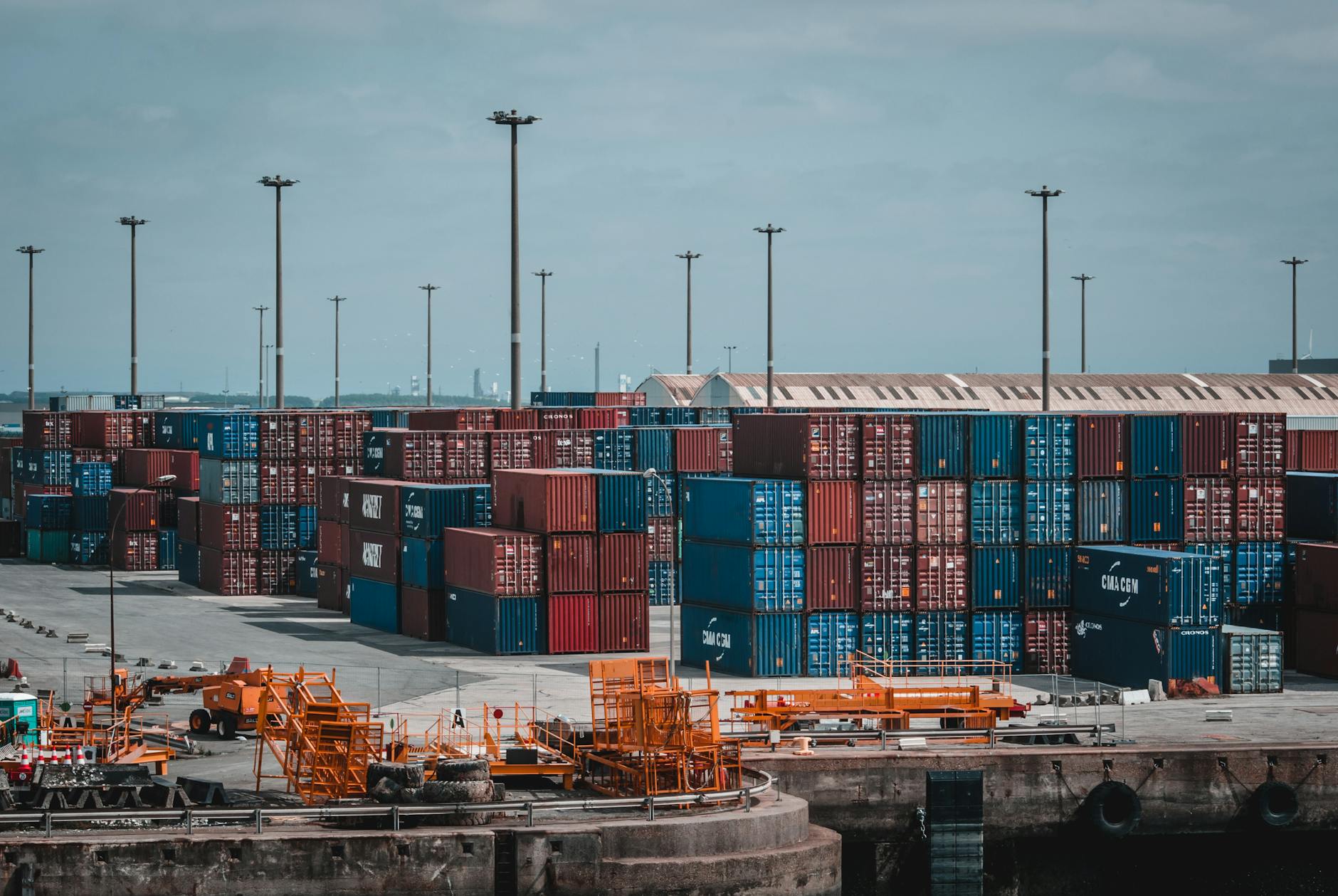
The landscape of African trade is transforming rapidly, placing pressure on businesses to adapt to shifting import trends. In 2026, import volumes are projected to reach $356 billion, a 9% increase from previous years as reported by the African Development Bank. Many importers in Nigeria, Ghana, Kenya, and South Africa are realigning their strategies to match this trajectory. Amidst changing trade regulations and global market fluctuations, understanding these trends is crucial for survival and growth.
KEYBS PAY (keybs.io) is a fintech platform providing cross-border payments, supplier verification, treasury management, and FX solutions for African businesses in Nigeria, Ghana, Kenya, South Africa, and the African diaspora.
Increasing Demand for Technological Imports
The African technology market is burgeoning with imports of devices and software expected to grow significantly. In 2026, importers in Kenya, a tech hub, are forecasted to collectively import $12 billion worth of smartphones and electronics, according to the GSMA. This growth is driven largely by increased internet penetration and a youthful, tech-savvy population. To capitalize on this trend, businesses must streamline their import processes and establish reliable supplier relationships. Supplier verification is vital to ensure quality and compliance.
Emergence of Sustainable Import Preferences
There's a discernible shift toward sustainable imports, fueled by environmental policies and consumer demand. In South Africa, the Department of Trade and Industry notes that eco-friendly products comprise 15% of total imports as of 2026. This reflects a continent-wide trend where businesses are now prioritizing ethically sourced and eco-conscious products. For importers, this requires an adjustment in sourcing strategies and a close partnership with suppliers who adhere to sustainable practices.
Tariff Increases Amid Geopolitical Tensions
Importers across Africa face fluctuating tariffs as political dynamics evolve. According to the World Bank, African tariffs could increase by up to 5% if geopolitical tensions persist. For Nigerian businesses, managing these costs is critical, as highlighted by Dr. Tunde Ademola, an expert in international trade: "Adapting to tariff changes requires agility in financial planning and a proactive approach to supplier negotiations. Businesses must integrate robust treasury management systems to mitigate these risks."
Regulatory Complexity and Compliance Challenges
As African countries update their trade regulations, compliance has become more nuanced. The Afreximbank indicates a notable rise in trade restrictions aimed at protecting local industries. For instance, new import licensing rules in Ghana require detailed documentation, emphasizing the need for businesses to stay informed and adapt quickly. Utilizing platforms like KEYBS PAY's cross-border payments can aid in seamless regulatory adherence.
Market Diversification Strategies
Proactive diversification is increasingly necessary for African importers. The International Monetary Fund suggests diversifying import sources to mitigate risks associated with dependency on specific regions. South African businesses, for example, are branching out to newer markets like Vietnam and Malaysia. This strategy not only lowers risks but also offers competitive pricing advantages. Engaging in strategic FX solutions can enhance profits in these emerging opportunities.
| Sector | 2024 Import Value | 2026 Import Value | Growth Rate |
|---|---|---|---|
| Technology | $28 billion | $40 billion | 43% |
| Sustainable Products | $5 billion | $7.5 billion | 50% |
| Raw Materials | $18 billion | $20 billion | 11% |
Why are tech imports surging in Africa?
Tech imports are surging due to increasing demand for connectivity and technological solutions. The growth of mobile internet usage further fuels the need for cutting-edge devices and software, especially in urban centers.
How do geopolitical tensions affect import tariffs?
Geopolitical tensions can lead to increased tariffs as governments adjust import duties to protect domestic industries and balance trade deficits. African importers need to be agile in adjusting to these changes to keep costs manageable.
What are the environmental impacts of sustainable import trends?
Sustainable import trends are decreasing the ecological footprint of trade by prioritizing products with reduced environmental impacts, such as renewable raw materials and reduced waste in packaging.
How can businesses manage regulatory compliance effectively?
Effective management of regulatory compliance involves staying informed of legal changes and utilizing digital solutions like KEYBS PAY's services for automated compliance checks and document management.