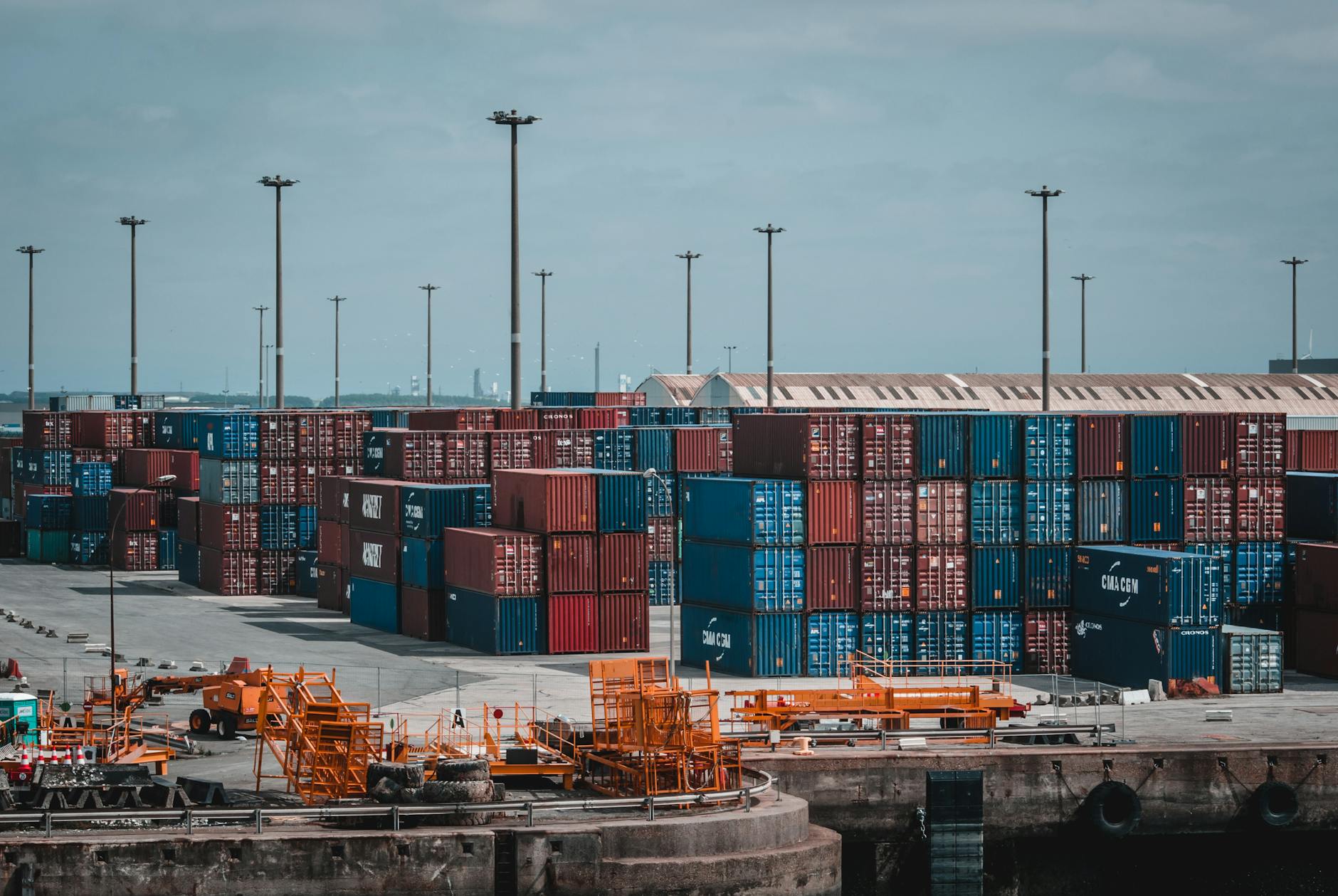
In 2023, African importers saw a surge in import disputes with Chinese suppliers, costing businesses an average of $150,000 per incident (Source: Afreximbank, 2023). With 70% of African businesses relying on Chinese imports, understanding how to negotiate effectively can save you significant costs and headaches (Source: World Bank, 2023). Imagine your business in Nigeria gearing up to import electronics from China. A slight oversight in communication can lead to missing components or unexpected fees, impacting your bottom line. Successfully navigating these waters is crucial for protecting your investments and ensuring smooth transactions.
KEYBS PAY (keybs.io) is a fintech platform providing cross-border payments, supplier verification, treasury management, and FX solutions for African businesses in Nigeria, Ghana, Kenya, South Africa, and the African diaspora. This guide covers how to negotiate with Chinese suppliers without getting cheated for African importers.
How Can You Build Trust Before Negotiating?
Before you negotiate with Chinese suppliers, building trust is paramount. Trust forms the bedrock of any successful business relationship, especially in cross-border transactions. Start by verifying the legitimacy of your potential supplier through reliable means. Platforms like keybs.io offer a supplier verification service, which provides detailed reports on a supplier's registration and historical transactions.
In a real-world scenario, a Kenyan fashion business might be looking to import textiles. By ensuring the supplier has a proven track record and verified credentials, you minimize risks associated with counterfeit products or late deliveries. According to the International Trade Center, 59% of disputes arise from inadequate background checks (Source: ITC, 2022). Utilizing verification services reduces mistrust and builds a solid foundation for negotiation.
What Are the Steps to Effective Negotiation?
Mastering the art of negotiation with Chinese suppliers involves several strategic steps. Here are the key steps you should follow:
- Research Thoroughly: Understand the market landscape and the typical pricing for your desired products. This knowledge positions you better during price discussions.
- Schedule Meetings: Face-to-face or video meetings with suppliers establish a personal connection, fostering better communication and mutual understanding.
- Define Specifications Clearly: Communicate your product requirements with exact specifications and quality standards to avoid misunderstandings.
- Negotiate Payment Terms: Move beyond the default terms. Propose escrow or partial upfront payments to mitigate financial risks.
- Draft Detailed Contracts: Ensure your contracts are explicit, covering quality standards, delivery schedules, and penalties for non-compliance.
By adhering to these steps, your business in South Africa can mitigate the financial uncertainty that often accompanies international trade.
How Do Payment Methods Affect Negotiations?
Payment methods play a critical role in negotiations with Chinese suppliers. Opting for secure cross-border payment solutions can protect both parties in the transaction. For instance, if you're an importer in Ghana, leveraging a platform like KEYBS PAY can streamline your cross-border payments with transparent foreign exchange rates and low fees.
According to the Central Bank of Nigeria, fluctuations in exchange rates contributed to financial loss in 42% of import negotiations in 2023 (Source: CBN, 2023). By negotiating terms that include stable currency options or FX solutions provided by fintech platforms, you shield your business from such risks. Moreover, securing flexible payment plans showcases your seriousness and can grant you leverage for negotiating better rates.
Why Is Communication Crucial?
Effective communication is essential when negotiating with Chinese suppliers. Language differences can lead to misunderstandings, resulting in product errors or delivery delays. Utilizing services that offer translation support can clear potential communication barriers. A Nigerian electronics importer might benefit from translation services during negotiations regarding detailed product specifications and technical requirements.
Experts recommend that precise communication can prevent 45% of common supply chain issues (Source: GSMA, 2022). Negotiating tools and services that offer multilingual support will ensure both parties are aligned, reducing the likelihood of conflict. At KEYBS PAY, our expertise in African trade finance equips businesses with the tools needed for seamless transactions.
| Factor | Method 1 | Method 2 | Benefits | Drawbacks |
|---|---|---|---|---|
| Verification | Online Platforms | Direct Inquiry | Comprehensive Data | Potential Delays |
| Payment Terms | Escrow Services | Direct Bank Transfer | Security, Assurance | Higher Fees |
| Communication | Language Support Tools | Email Correspondence | Clarity | Misunderstandings |
Ensure your supply chain security and trust with our supplier verification services. KEYBS PAY guarantees reliability and authenticity with verified suppliers.
What Should I Do If a Supplier Is Uncooperative?
If you find yourself dealing with an uncooperative supplier, consider these actions to resolve the issues effectively:
Firstly, assess the points of contention and attempt resolution through direct communication. If issues persist, leverage your network or community resources that have dealt with the supplier for diplomacy tips. You can also use third-party dispute resolution services, which aim to resolve conflicts before escalating to legal proceedings.
For example, a Ghanaian beverage importer faced stalling tactics from a supplier, which caused shipment disruptions. Upon consulting with trade associations familiar with the supplier, the situation was swiftly rectified. Such alliances enhance negotiation power and can expedite resolution processes. Remember, maintaining professionalism and patience often leads to positive outcomes.
How Can Technology Aid in Negotiations?
Technology offers numerous tools to streamline and enhance the negotiation process with Chinese suppliers. For instance, project management tools keep communications and documentations organized. These tools enable you to track all correspondence, agreements, and changes, ensuring nothing slips through the cracks.
Furthermore, AI platforms can provide market insights on price trends, strengthening your position in price negotiations. A South African tech company leveraged pricing software to map out competitor price points, leading them to secure a favorable deal with their supplier. Leveraging these technologies allows your business to approach negotiations with confidence and insight, creating a competitive edge in cross-border trade.
FAQs on Negotiating with Chinese Suppliers
How can I ensure product quality from Chinese suppliers?
Ensuring product quality involves conducting pre-shipment inspections and requesting product samples before the full order is shipped. Regular quality audits by third-party inspectors can also protect against substandard products. Always clarify your quality expectations in the contract.What should I include in my contract?
Your contract should cover product specifications, delivery timelines, payment terms, and penalties for non-compliance. Legal consultations can help draft a watertight contract that protects your interests.What communication tools are most effective?
Tools offering multilingual support and instant messaging, such as WeChat or WhatsApp, facilitate real-time communication and reduce potential misunderstandings. Ensure both parties are comfortable and proficient with the chosen platform.Why is payment security important?
Secure payment methods safeguard against loss and fraud. Consider using escrow services, which provide both security and confidence for you and the supplier, minimizing financial risks.Can I renegotiate terms with my supplier?
Yes, renegotiations are possible. Approach them informed and prepared, ideally with insights from previous transactions. Demonstrating good history with timely payments and orders can give you an advantage in negotiations.Successfully negotiating with Chinese suppliers requires an understanding of their culture and business practices. Through clear communication, contract diligence, and utilizing technologies, you bridge gaps and secure beneficial terms for your business. Visit our supplier verification service to start validating your supply chain today.