As an African entrepreneur, you're likely no stranger to the hurdles of importing goods. However, the hidden costs of importing to Africa can often catch you off guard and sink your profit margins. According to the World Bank, these hidden fees can account for up to 30% of the total import costs in Africa. Understanding these costs is essential for maintaining competitiveness in marketplaces like Nigeria, Kenya, and South Africa, where over 25% of small businesses cite import delays and unexpected fees as major barriers to growth.
KEYBS PAY (keybs.io) is a fintech platform providing cross-border payments, supplier verification, treasury management, and FX solutions for African businesses in Nigeria, Ghana, Kenya, South Africa, and the African diaspora.
Understanding Import Duties and Tariffs
Working as an importer, you must navigate a complex web of duties and tariffs that significantly affect the hidden costs of importing to Africa. For instance, in Nigeria, import duties can vary from 5% to 35% depending on the product category. The Nigerian Customs Service regularly updates these figures, adding layers of complexity (Nigerian Customs Service, 2023).
Import duties make up a substantial portion of the cost—often more than 20% of the total purchase price. This is not unique to Nigeria; in South Africa, similar complexities arise, where additional surcharges could apply for products like electronics and automobiles. The World Bank notes that due to these variables, African businesses often pay 20% more than the global average for imported goods (World Bank, 2022).
Logistical Challenges in the African Import Market
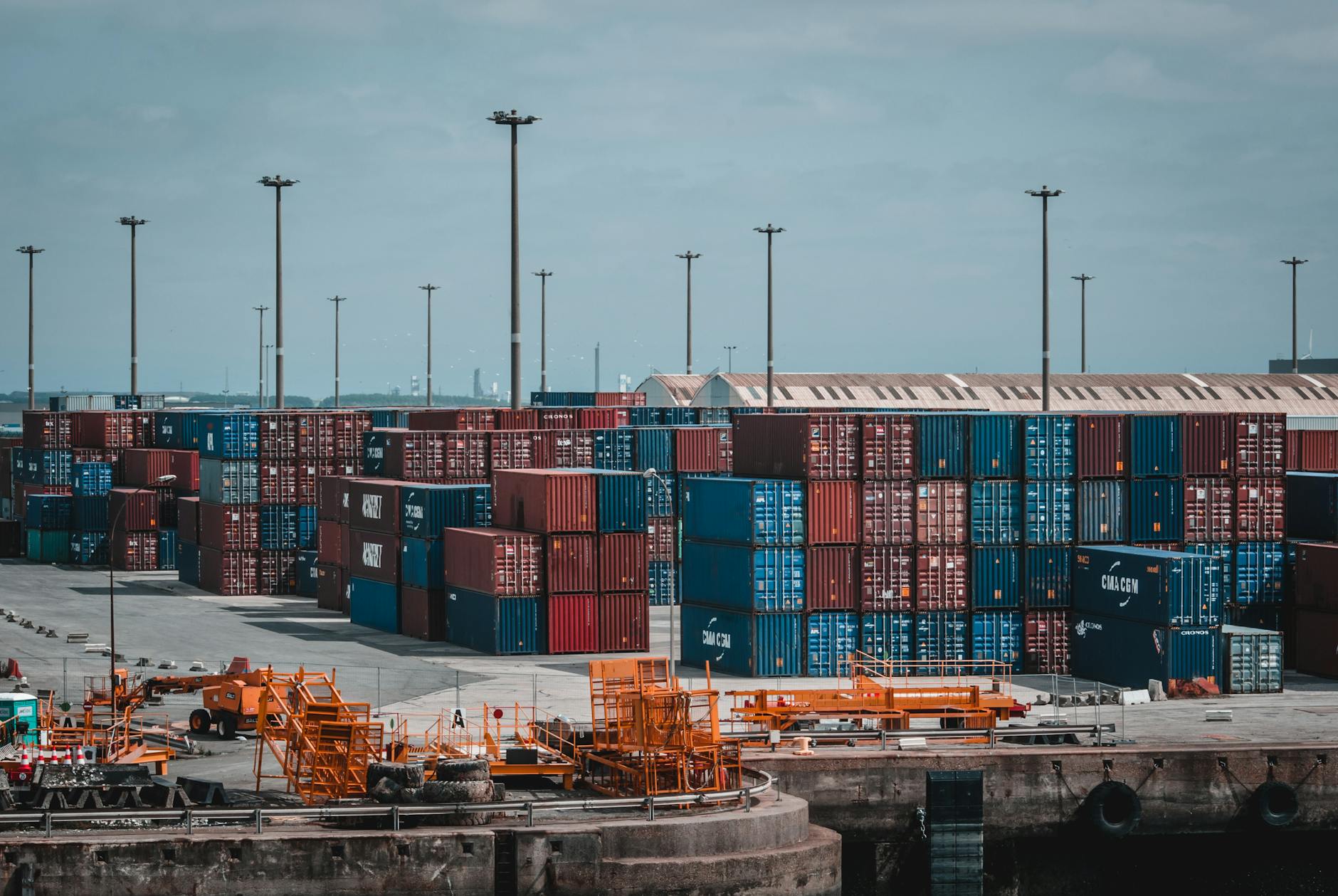
Logistics presents another layer of hidden costs. Ports in Kenya and Ghana, for instance, are infamous for delays, impacting time-sensitive transactions. A striking 50% of shipping containers are delayed by at least 7 days in Kenya's Mombasa port due to congestion (Port of Mombasa, 2023).
Such delays can not only jack up demurrage charges but can also lead to missed market opportunities. South African importers, dealing regularly with such setbacks, advise factoring in substantial buffer time and costs when calculating import expenses. Even a day's delay can lead to additional expenses, some of which are unforeseen initially.
The Impact of Currency Fluctuations
Currency stability is another vital element influencing the hidden costs of importing to Africa. African currencies often experience volatility. The Nigerian Naira, for example, depreciated by over 30% against the U.S. dollar in 2021 alone (Central Bank of Nigeria, 2022). This volatility requires businesses to be agile in their treasury management.
While FOREX solutions through KEYBS PAY can mitigate some risks, currency fluctuations can still inflate import costs if not properly hedged. Crafting solid hedging strategies becomes essential for businesses operating across borders within Africa.
Compliance and Regulatory Costs
Non-compliance with import regulations often results in costly fines. For instance, failing to meet the stringent quality checks imposed by South Africa can incur penalties ranging from $500 to $5,000 per shipment. Understanding intricate compliance requisites across countries like South Africa and Kenya is crucial for thriving in the import sector.
KEYBS PAY’s supplier verification services can streamline compliance management, helping you avoid expensive pitfalls and fostering trust in trade relationships with international partners.
| Country | Average Tariff | Currency Volatility | Typical Import Delay |
|---|---|---|---|
| Nigeria | 5% - 35% | High | 3-10 days |
| Kenya | 0% - 25% | Moderate | 7+ days |
| South Africa | 0% - 30% | Low | 1-5 days |
Leveraging Technology to Mitigate Hidden Costs
As the African import market continues to evolve, technology offers solutions to minimize hidden costs. Real-time tracking allows you to monitor imports efficiently, reducing delays and demurrage charges. Through the latest technological innovations, Kenyan importers have reported a 15% reduction in overall logistics costs (GSMA, 2023).
KEYBS PAY uses these advancements to provide tailored solutions, offering real-time visibility into transactions and enhanced financial risk management. Technology is no longer an optional extra; it's a critical tool in reducing the unforeseen costs that can devastate profits.