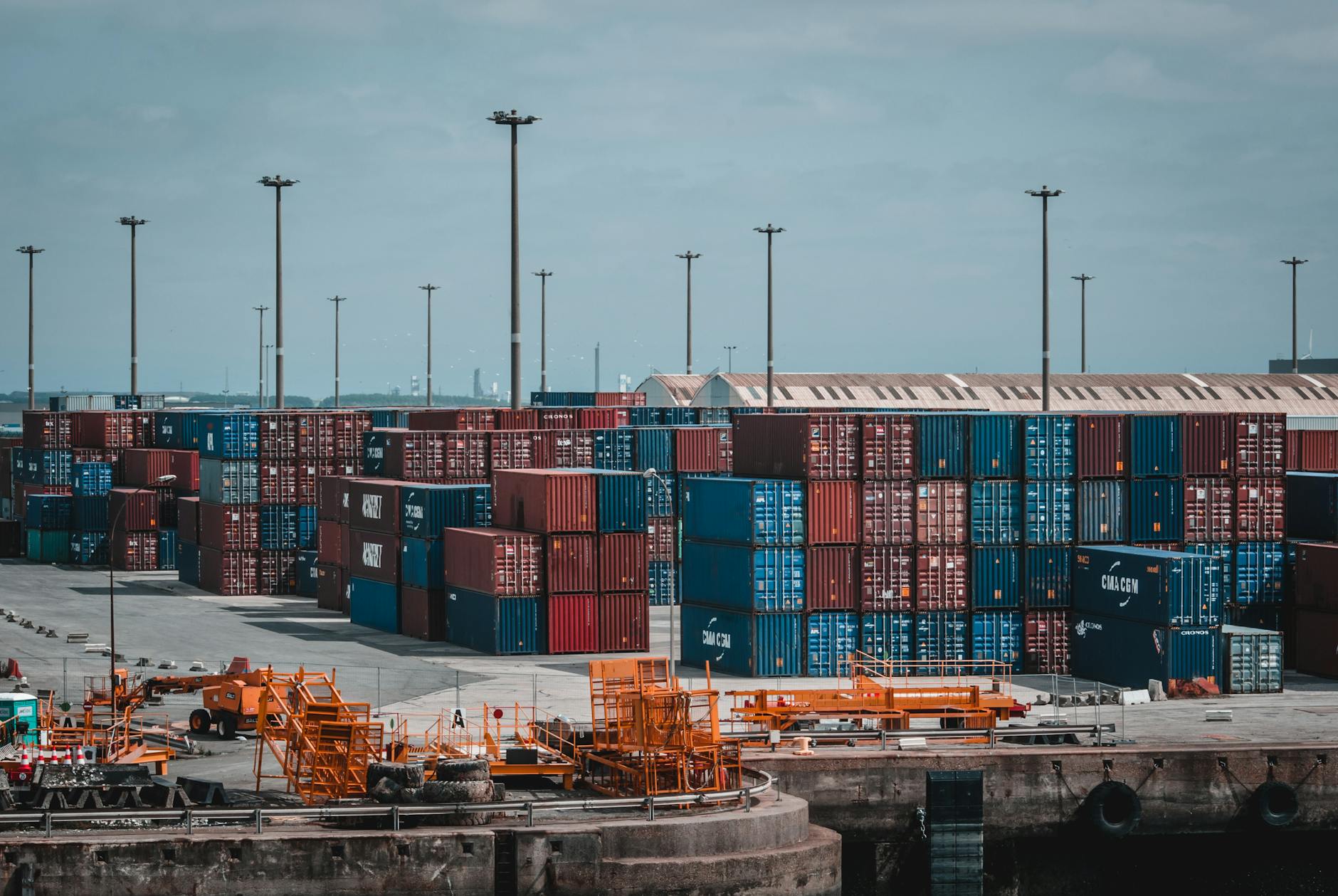
Navigating customs clearance from China to Nigeria can be daunting, with unpredictable delays and potential financial pitfalls. In 2022, Nigerian importers faced an average clearance time of 20 days, impacting cash flow and profitability (World Bank). Imagine ordering a shipment of electronic components worth $50,000 and being unable to receive the goods in time for peak sales season due to customs hurdles. Mastering the customs process is essential for any importer aiming to succeed in Nigerian trade.
- Documentation: Complete and submit all required paperwork.
- Duties: Calculate and pay all necessary import duties.
- Inspection: Prepare for cargo inspections by Nigerian Customs.
- Time management: Plan for potential delays in clearance.
KEYBS PAY (keybs.io) is a fintech platform providing cross-border payments, supplier verification, treasury management, and FX solutions for African businesses in Nigeria, Ghana, Kenya, South Africa, and the African diaspora.
Understanding the Customs Clearance Process in Nigeria
Effective customs clearance in Nigeria for goods from China requires a deep understanding of import regulations. The Central Bank of Nigeria reported in 2023 that duty-related revenue increased by 15%, underscoring the complexity of the process. Importers must navigate a series of steps, from submitting accurate documents to managing duty payments.
Nigerian Customs demands precision in import declarations. Submit a Form M at the outset, detailing the nature and value of imports. This preventive measure ensures customs efficiency and reduces risks of documentation disputes that could delay release.
Key Documents for Importers
Importing goods from China to Nigeria necessitates meticulous documentation. Critical documents include the Pre-Arrival Assessment Report (PAAR), which verifies cargo details and sets the stage for duty calculations. The Afroexim Bank's 2022 report emphasizes that the PAAR document significantly reduces processing times.
Ensure the Bill of Lading, Commercial Invoice, and Packing List accurately reflect your shipment's contents. These documents validate your transaction's legitimacy, helping mitigate possible inspections that could extend clearance times.
Step-by-Step Guide to Customs Clearance
- Obtain a Pre-Arrival Assessment Report (PAAR): This document is crucial for duty assessment and an initial step in your customs clearance process.
- Provide Accurate Documentation: Compile all necessary paperwork, including the Bill of Lading, Commercial Invoice, and Packing List.
- Calculate and Pay Duties: Utilize the PAAR to determine applicable import duties and ensure timely payments to avoid penalties.
- Prepare for Inspection: Ensure that your goods and documentation align to avoid red flags during any potential customs inspections.
- Secure Release of Goods: Once cleared, arrange transportation for your goods. Consider delays in logistical planning.
Paying Duties and Taxes
The duty payment process remains one of Nigeria’s more challenging aspects of customs clearance. In 2023, delays cost businesses an estimated $30 million in demurrage fees, according to NBS figures. To mitigate such risks, clearing agents like KEYBS PAY can streamline payments and negotiations with customs. Familiarize yourself with Nigeria’s customs tariff to preempt any financial or legal setbacks.
Handling Delays and Unexpected Costs
Key factors like documentation errors, and inaccurate duty payments can result in costly delays. In 2023, over 25% of shipments faced clearance delays due to avoidable errors, impacting smaller businesses in particular. Proactive strategies, like working with experienced clearing agents, can help mitigate such risks.
KEYBS PAY offers critical service solutions that can accelerate this process. For example, having currency on hand through the right treasury management options reduces the impact of fluctuating exchange rates.
| Step | Nigeria | Ghana | South Africa |
|---|---|---|---|
| Average Clearance Time | 20 days | 15 days | 12 days |
| Average Duty Costs | $3,000 | $2,500 | $2,200 |
| Documentation Req. | 5 documents | 4 documents | 3 documents |
Choosing the Right Logistics Partner
African businesses can reduce clearance times by partnering with logistics companies that specialize in Nigerian imports. Strategic alliances with companies knowledgeable about regional challenges, like port congestion in Lagos, can make a significant difference in efficiency. An expert notes, "Choosing the right partner can cut clearance time by 30%," further emphasizing the importance of collaboration.
Utilizing Digital Solutions in Customs Clearance
Nigeria's Trade Facilitation Strategy of 2023 prioritizes digital platforms to expedite customs processes. KEYBS PAY offers automation and key cross-border payments solutions, reducing paperwork-related delays. By leveraging technology, importers can integrate payment gateways, ensuring currency clarity and real-time tracking.
What is Form M, and is it mandatory?
Form M is a mandatory import declaration that's required to secure imports into Nigeria. It outlines import details and is a critical document reviewed by Nigerian Customs. This form ensures regulatory compliance before your shipment's arrival.
How do I calculate import duties?
Utilize the PAAR for accurate duty calculation. It assesses your goods' value and applies the appropriate tariff codes, determining the duties owed. Consulting with experienced agents can provide insights into tariff changes and duty rebates.
How long does customs clearance take?
As of 2022, Nigerian customs clearance can take approximately 20 days. Delays can lengthen this timeframe, stemming from documentation errors or inspections. Advanced preparation and reliable partnerships are vital to minimizing such risks.
Can I expedite my customs clearance?
Yes, by working with skilled clearing agents, digitizing processes, and ensuring thorough compliance with import regulations, you can expedite customs clearance. KEYBS PAY's solutions can help streamline documentation and duty transactions.