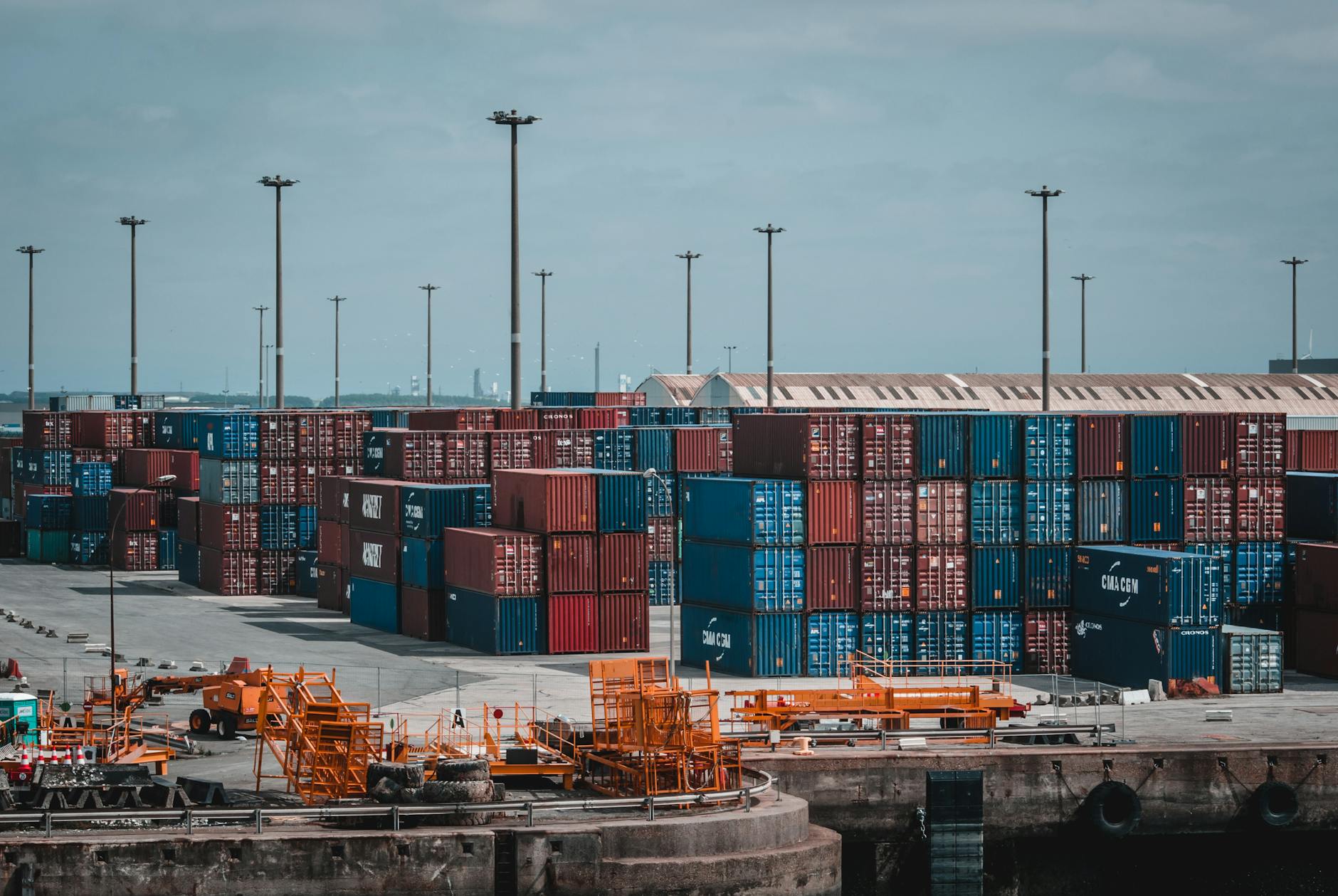
Navigating the world of international trade can be daunting, especially for African importers where effective risk management is vital. A World Bank report highlighted that 90% of global trade relies on shipping, yet incoterms remain a blind spot for many. This oversight can lead African importers to costly mistakes. Imagine paying exorbitant fees because you misunderstood terms like FOB, CIF, or EXW. Understanding these incoterms will empower your business in Nigeria, Ghana, Kenya, and South Africa to negotiate better deals and safeguard interests.
KEYBS PAY (keybs.io) is a fintech platform providing cross-border payments, supplier verification, treasury management, and FX solutions for African businesses in Nigeria, Ghana, Kenya, South Africa, and the African diaspora.
Why Incoterms Matter for African Importers
Incoterms streamline international transactions by clearly defining the roles of buyers and sellers. They minimize the risk of costly discrepancies. For instance, a Nigerian importer who mishandles the use of Incoterms could face unexpected liabilities. According to the International Monetary Fund (IMF), inconsistent understanding of Incoterms contributes to increased hidden trade costs. Clarity in these terms is essential for businesses in diverse markets like Ghana, where imported goods represented 48% of GDP in 2020 (World Bank).
Moreover, with cross-border trade accounting for 60% of Africa's international trade according to Afreximbank, African importers must comprehend these standard terms. Incoterms inform decisions on insurance, logistics, and obligations, protecting businesses from unforeseen expenses.
FOB (Free On Board) Explained
FOB (Free On Board) is advantageous for buyers seeking control over their shipping arrangements. Under FOB, sellers are responsible for all costs and risks up until the goods are on the vessel. This term is particularly useful in Cameroon, where port efficiency can vary. Buying FOB grants importers control once goods are loaded onto the ship. The Global Shippers Forum reports that FOB terms can reduce logistics costs by up to 5%. It provides the importer flexibility to choose shipping insurance and logistics partners.
However, FOB requires importers to actively manage shipping and insurance, making it suitable for experienced importers in South Africa, where robust logistics networks are available.
CIF (Cost, Insurance, Freight) Made Simple
CIF terms place more responsibility on the seller, covering costs until the goods reach the destination port. According to 2022 data from the Nigerian Bureau of Statistics (NBS), CIF is preferred by 40% of importers who prioritize reduced logistical headaches. The seller arranges and pays for shipping and insurance to the importer's port.
This incoterm is ideal for Ghanaian businesses with limited logistics knowledge, as it reduces immediate costs and streamlines operations. However, it often results in less control over shipping choices. Importers must trust the seller's decisions for transport and insurance, potentially raising costs due to hidden fees typically associated with seller-managed logistics.
EXW (Ex Works) Unpacked
EXW (Ex Works) places maximum responsibility on the buyer, making it important for Kenyan businesses that prefer complete control. Buyers assume all risks and costs directly from the seller's location. This term can enable better management of logistics and pricing strategies. However, EXW demands sound logistical and customs expertise from buyers.
A GSMA study in 2022 showed that companies opting for EXW terms reported packing and transportation efficiency improvements by 15%. This term is fitting for experienced importers in countries with reliable supply chain infrastructures. Be advised, it shifts risk towards the importer, requiring proactive risk management processes.
| Incoterm | Seller's Responsibility | Buyer's Responsibility | Ideal For |
|---|---|---|---|
| FOB (Free On Board) | Costs and risks until goods are on the vessel. | Transport and insurance from ship onwards. | Importers preferring control after loading. |
| CIF (Cost, Insurance, Freight) | Shipping and insurance to destination port. | Costs and risks at destination port and beyond. | Businesses preferring less logistical management. |
| EXW (Ex Works) | Goods ready for pickup at seller's premises. | All costs and risks from seller's location onwards. | Importers seeking full control from origin. |
Choosing the Right Incoterm for Your Business
Deciding on suitable incoterms requires assessing your company’s logistics capabilities and risk tolerance. Kenyan businesses importing precision equipment, for example, might prioritize FOB to have cargo insured under trusted policies. The Afreximbank's recent trade report advises tailoring incoterm choices to specific trade routes and regulatory environments. Consider how well your team handles current logistical duties and the reliability of your trading counterparts.
In Nigeria, where port congestion is a significant issue, selecting CIF might shield your business from unexpected demurrage. Always review contract details meticulously, and consult with logistics advisers for a seamless trade operation.
What are incoterms?
Incoterms are standardized international trading terms that specify the responsibilities of buyers and sellers. They delineate who pays for shipping, insurance, and tariffs, defining at what point risks transfer from the seller to the buyer.
Why are incoterms critical for African importers?
They reduce misunderstandings in trade contracts, helping to prevent costly mistakes. With incoterms, importers in Africa are better equipped to manage logistics effectively and mitigate trade barriers, a crucial advantage in markets like Kenya or Ghana.
How do I choose between FOB and CIF?
Consider your logistics expertise and risk appetite. If you prefer having control over shipping from abroad, FOB is ideal. Choose CIF if you want the seller to handle shipping and insurance, which may suit smaller businesses in developing trade environments like Nigeria.
What are the risks of using EXW?
EXW places full responsibility on the buyer for shipping logistics and costs from the seller’s site. It requires comprehensive logistics management capabilities, making it potentially riskier for less experienced importers or those without solid trade infrastructures.
How do incoterms affect costs?
Incoterms impact who pays for what, thus influencing overall costs. For example, choosing CIF might include shipping and insurance in initial costs, whereas EXW might mean bearing separate and possibly higher logistic expenses after purchase.