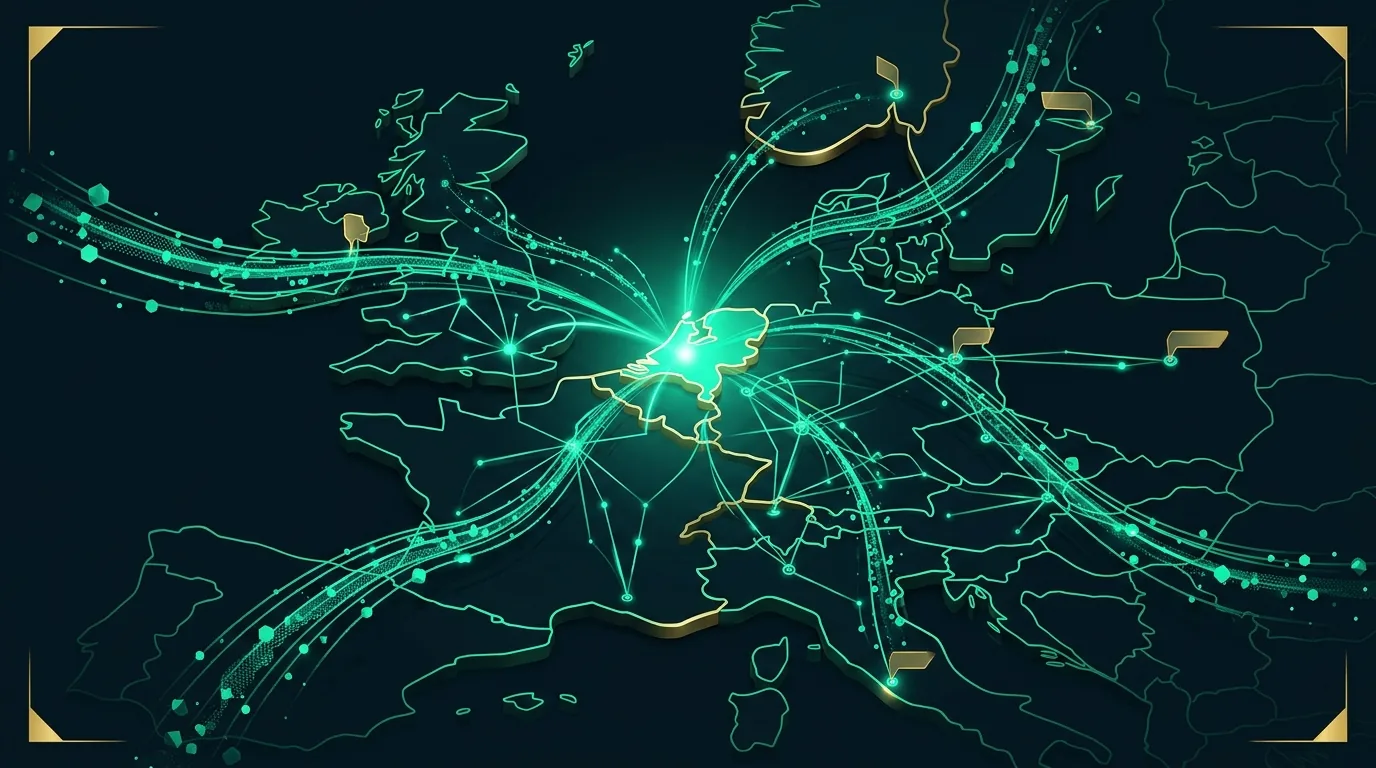
Navigating business payments into Germany has never been smoother, thanks to SEPA Instant and efficient EUR settlements. As Europe’s industrial powerhouse, Germany relies on seamless financial transactions. Discover how to optimize your payment process and link directly to the KeyBS Global Payouts for strategic insights and solutions.
- Utilize SEPA Instant for swift business payments into Germany.
- Understand the regulatory landscape with Bundesbank oversight.
- Leverage EUR for all business settlements in Germany.
- Explore edge cases and pitfalls in EUR transfers.
- Visit KeyBS Global Payouts for detailed corridor insights.
SEPA Instant and EUR settlement for Europe's industrial engine streamline financial transactions, enabling companies to efficiently pay suppliers in Germany. With direct connections to the Germany landing page, businesses gain insights into the seamless integration of EUR payments and the pivotal role of SEPA in facilitating cross-border trade. Learn more at KeyBS Global Payouts.
What is SEPA and EUR Payments for Business?
The Single Euro Payments Area (SEPA) revolutionizes how businesses can engage in cross-border EUR transactions by standardizing payments across the European Economic Area. SEPA ensures that companies can send and receive euro-denominated payments under uniform conditions, enhancing efficiency and reliability in the financial landscape.
SEPA Instant is a game-changer for businesses targeting the German market. Introduced to facilitate real-time transactions, SEPA Instant allows payments to reflect in the beneficiary's account within seconds, regardless of banking hours. This capability significantly reduces waiting times, offering businesses in countries like France, Italy, and even non-Eurozone countries such as the UK a seamless way to manage their financial operations in Germany.
For businesses, the adoption of EUR as the transactional currency within Germany is crucial. As Europe’s major industrial hub, Germany’s preference for EUR payments simplifies financial dealings across sectors like automotive and manufacturing. The euro's stability, commanded by the European Central Bank (ECB), attracts global traders seeking monetary consistency and reduced foreign exchange risk.
- SEPA enables businesses to execute euro transfers effortlessly and at lower transaction costs.
- SEPA Instant provides rapid payment processing, enhancing cash flow management.
- EUR designation minimizes currency conversion needs, promoting financial simplicity.
- Uniform SEPA standards apply across 36 participating countries, including Cyprus and Luxembourg.
- Complex regulatory frameworks are streamlined under the oversight of national authorities like Germany's BaFin.
Understanding SEPA's intricacies helps businesses navigate the regulatory environments monitored by agencies such as the Bundesbank and BaFin, ensuring compliance and safeguarding against payment fraud. With SEPA and EUR payments, businesses can leverage Germany’s robust infrastructure, thereby optimising their European operations and maintaining a competitive edge in the global market.
How to Send Business Payments to Germany: Step-by-Step
Sending business payments to Germany involves understanding the payment infrastructure, notably the Single Euro Payments Area (SEPA). This robust system streamlines transactions in EUR across Europe, providing speed and cost efficiency. Here's how to ensure your payments are seamless and effective.
The SEPA Instant Credit Transfer (SCT Inst) allows for near-instant settlement of payments—credited within ten seconds across 36 countries. Germany, as the economic hub of Europe, benefits from the efficiency and security SEPA offers for business payments. Financial institutions in the region prioritize SEPA due to its alignment with the euro (EUR), Germany's sole currency.
Step-by-Step Guide for SEPA Payments
- Verify Beneficiary Details: Start by confirming your recipient's full name and International Bank Account Number (IBAN). The accuracy of these details underpins a successful SEPA transaction.
- Select Your Payment Rail: Most businesses use SEPA for German transactions due to its efficiency. However, assess whether SEPA Instant or regular SEPA is more appropriate based on urgency and cost considerations.
- Initiate the Payment: Use your banking platform to enter the transaction details, choosing SEPA as the payment method. Ensure the swift code is correct, especially if you're using SEPA's instant service.
- Confirmation and Tracking: After initiating the payment, monitor the transaction for confirmation. SEPA Instant processes in seconds, while traditional SEPA may take up to one working day.
Comparing SEPA with Alternative Methods
Although SEPA is predominant in Germany, other methods like SWIFT and PayPal exist. For businesses weighing options, it's vital to consider aspects such as cost, speed, and convenience.
| Payment Method | Speed | Cost | Best Use Case |
|---|---|---|---|
| SEPA Instant | Instant (10 seconds) | Low to Medium | Urgent payments within EUR zone |
| SEPA | 1 day | Low | Standard cross-border EUR transactions |
| SWIFT | 1-5 days | High | Global payments outside EUR zone |
| PayPal | Instant to 1 day | Medium to High | Payments requiring online flexibility |
Despite these alternatives, SEPA remains the most cost-effective and reliable choice for businesses operating in or targeting Germany. The system is designed explicit to support EU transactions, offering reduced transaction fees compared to traditional methods like SWIFT. In preparation for any cross-border transaction, consider the balance between cost, speed, and the receiving party's specific needs.
Worked Example: Paying Suppliers in Germany from Ghana
For businesses operating in diverse regions like West Africa and Europe, an effective payment strategy is crucial. Let’s explore a common scenario where a Ghanaian company must pay its German supplier, navigating exchange rates and picking the best payment rail, ensuring seamless EUR settlement.
Imagine Zuberi Foods, a leading Ghanaian agro-exporter, needing to transfer EUR to a supplier in Germany. The task involves converting Ghanaian Cedi (GHS) to Euro (EUR), factoring in both transaction costs and favorable exchange rates. The company aims to achieve maximum efficiency and cost-effectiveness in its payment processes.
Zuberi Foods considers various payment options, including SWIFT, SEPA Instant, and local fintech platforms like MTN MoMo for fund initiation. Selecting the right payment rail is crucial as it determines the speed, cost, and reliability of transactions. Additionally, understanding the regulator involvement, such as that of the Bank of Ghana (BoG) and the European Central Bank (ECB), is key to compliance and operational smoothness.
Analyzing the costs, SWIFT generally involves higher fees and longer processing times, often 2-5 business days. By contrast, SEPA Instant offers near-immediate transfers within seconds, a boon for cash flow-sensitive operations. The exchange rate margin is another consideration; using a committed forex partner can reduce costs compared to relying solely on bank-set rates. Below is a comparison of potential options:
| Payment Rail | Speed | Cost | Currency Exchange Margin |
|---|---|---|---|
| SWIFT | 2-5 business days | High | 0.5-1.5% |
| SEPA Instant | Seconds | Moderate | 0.2-0.6% |
| MTN MoMo + Cross-border Fintech | 1-2 business days | Low | 0.3-0.8% |
The strategy Zuberi Foods employs involves using SEPA Instant for the speed of settlement and securing a competitive exchange rate by leveraging a specialized forex service. These strategies reduce overall transaction costs and improve financial predictability. It becomes evident that selecting the right mix of financial instruments and rails can significantly alter the cost landscape for businesses engaging in cross-border transactions.
Overall, by carefully exploring options and being cognizant of regulatory frameworks, Zuberi Foods effectively minimizes both direct and hidden costs, ensuring their German suppliers are paid promptly and efficiently.
Regulatory Context in Germany for Business Payments
In Germany, the Deutsche Bundesbank plays a pivotal role in regulating business payments, ensuring efficiency and financial stability. As one of the most significant players in the European financial landscape, the Bundesbank operates to supervise the financial systems, ensuring seamless integration of intra-European transfers via mechanisms like SEPA (Single Euro Payments Area).
Businesses engaging in cross-border payments to and from Germany must consider various compliance requirements. These include adherence to anti-money laundering (AML) directives and Know Your Customer (KYC) regulations. The Bundesbank collaborates with the Federal Financial Supervisory Authority (BaFin), ensuring financial institutions comply with these mandates, protecting the integrity of the payments system.
Another critical layer of compliance stems from the European Union's regulatory framework. Germany, as part of the EU, adheres to the European Commission's Payment Services Directive 2 (PSD2), enhancing customer protection, promoting innovation, and ensuring secure payment environments. PSD2's implementation mandates stronger authentication processes, providing additional layers of security across all electronic payments.
Additionally, businesses are influenced by the European Central Bank's role in crafting monetary policy affecting the euro. The ECB's policies, such as interest rate adjustments, directly impact exchange rates and cost structures for businesses conducting EUR-based transactions. Compliance with ECB guidelines ensures businesses avoid regulatory pitfalls, thereby maintaining smooth payment operations.
- Ensure AML and KYC compliance as per Deutsche Bundesbank and BaFin regulations.
- Adhere to PSD2 for improved payment security and customer protection.
- Monitor ECB monetary policies for potential impacts on EUR business payments.
In conclusion, operating within Germany's regulatory framework requires meticulous adherence to local and EU regulations, seamlessly facilitated by institutions like the Deutsche Bundesbank. Businesses must remain vigilant to these evolving regulatory demands to ensure compliant, secure, and efficient payment processes.
Edge Cases and Pitfalls in Sending EUR to Germany
When conducting business payments to Germany, particularly through the SEPA Instant system, there are specific challenges and vulnerabilities that businesses must navigate. While SEPA delivers near-instant settlements across the Eurozone, the operational nuances can present certain edge cases and pitfalls that require attention.
Firstly, potential delays and errors in SEPA Instant payments are not uncommon. Despite its promise of real-time transactions, certain factors—such as the sending bank's infrastructure, or the receiving bank's settlement rules—can cause unexpected lags. For instance, not all participating banks support 24/7 operations as expected, which may lead to transactions queuing until the bank's next business window. It's essential to verify the operational status of both financial institutions involved.
Another common pitfall involves the correctness of account details. Errors in the International Bank Account Number (IBAN) or Bank Identifier Code (BIC) can lead to failed transactions or misdirected funds. Businesses should ensure stringent verification processes to minimize the risk of input errors, which can complicate reconciliation processes and increase administrative overhead.
In the realm of risk management, businesses must prepare for unforeseen technical issues that could impact payment operations to Germany. Downtime in digital platforms—arising from software updates, cyber incidents, or even regulatory interventions by authorities like the Bundesbank—can stymie transactions. Organizations should implement comprehensive continuity plans that include redundancy measures and alternative payment routes to circumvent potential disruptions.
- Regular Account Detail Audits: Schedule periodic checks to ensure all banking details are current and correctly formatted.
- Bank Operational Verification: Confirm the participating banks' adherence to SEPA Instant in real-time payment environments.
- Contingency Planning: Develop backup protocols in partnership with your financial service providers to tackle unexpected disruptions.
Lastly, it is crucial for businesses to stay informed about regulatory adjustments that could impact payment infrastructures. Real-time monitoring of announcements from authorities such as the European Central Bank or the Federal Financial Supervisory Authority (BaFin) can assist in preemptively addressing compliance changes affecting cross-border EUR transactions.
While SEPA Instant aims to streamline transactions within the Eurozone, businesses sending payments to Germany must proactively mitigate inherent risks to maintain smooth and efficient payment operations.
When NOT to Use SEPA for Business Payments
SEPA (Single Euro Payments Area) has revolutionized euro-denominated transactions across Europe by simplifying and standardizing payments. However, it may not always be the optimal choice for every business payment scenario involving Germany or the EU, especially when certain specific criteria are in play.
Firstly, SEPA payments are confined to the euro zone. This limitation poses challenges when dealing with non-EU countries where businesses or suppliers operate primarily in other currencies. For instance, when dealing with partners in the United States, companies might find ACH (Automated Clearing House) a more cost-effective alternative for transactions in USD, given the absence of currency exchange requirements.
- Transactions outside SEPA zones are subject to additional fees.
- SEPA is limited to euro-denominated accounts, impacting transactions in other currencies.
- Access to SEPA requires EUR accounts set up, which may be a barrier for non-EU SMEs.
Moreover, SEPA's real advantage, the SEPA Instant Credit Transfer, might still not be as instantaneous as local alternatives in non-EU countries. For example, when expediting payments within South Africa, PayShap may offer faster transaction processing within its network as compared to cross-border SWIFT links that interface with SEPA.
Small and Medium Enterprises (SMEs) without a European branch network may need to consider alternatives due to the account setup requirements for SEPA participation. Establishing and maintaining a euro account can impose unnecessary administrative overhead and costs. Instead, global gateways that support multiple currencies might provide a more flexible solution for diversified payment needs.
Another scenario where SEPA might fall short is handling large volume, low-value transactions, like subscriptions or micropayments, where alternatives like direct debit systems or even cryptocurrency rails such as USDC can reduce costs and increase efficiency. Non-traditional payment methods can circumvent intermediary banking fees and offer real-time transfer capabilities across geographic borders, something SEPA does not currently address fully outside its zone.
In essence, while SEPA facilitates streamlined integration of euro payments within its participating countries, businesses need a measured approach when their operations encompass broader, non-EU regions. Evaluating the full spectrum of global payment solutions available, including https://keybs.io/services/global-payouts, ensures an optimal strategy aligned with financial and operational goals.
Comparison Table: Payment Methods into Germany
When considering business payments into Germany, understanding the fee structures and transaction speeds associated with each payment rail is crucial. The choice between SEPA, SWIFT, and alternative methods can considerably affect the efficiency and cost-effectiveness of your transactions.
| Payment Rail | Transaction Speed | Fee Structure | User Experience |
|---|---|---|---|
| SEPA | Instant to 1 business day | Low, often fixed per transaction | High, streamlined for EU businesses |
| SWIFT | 1-3 business days | Variable, includes correspondent bank fees | Moderate, better for cross-continental transactions |
| ACH (US to EU) | 3-5 business days | Low per transaction, but slower | Minimal, as ACH is not directly integrated in EU systems |
| M-Pesa (Kenya to Germany) | 1-2 business days | Variable, depending on service provider | Medium, good for specific corridor; not directly compatible with German banks |
Consider the following insights when choosing your payment rail:
- SEPA is unrivaled for EUR transactions within the European Union, offering low-cost transfers with rapid settlement times, thanks to the backing of institutions like the European Central Bank (ECB).
- SWIFT is essential for international payments outside the EU, albeit with higher costs due to intermediary banks. Its global reach and reliability make it preferred for cross-border transactions.
- ACH transfers from the US are slower and optimal for non-urgent payments, given their reliance on US systems, which results in longer processing times for EUR settlements to Germany.
- Mobile money solutions like M-Pesa can be economical and efficient for specific corridors, such as Kenya to Germany, though they may involve currency conversion fees and limited direct bank integrations in Germany.
User experience and transaction speed are paramount when conducting business with German partners. SEPA clearly stands out for intra-EU transfers with its customer-centric, seamless banking experience, while SWIFT remains vital for its robust international network. For tailored advice, consider visiting our Germany service page or consulting via our global payouts service: keybs.io/services/global-payouts.
How do I send business payments to Germany?
What payment rails does Germany use?
What currency is used in Germany?
Are there fees associated with sending money to Germany?
How long does a SEPA payment to Germany take?
Are there limits on the amount I can send to Germany?
Can I send business payments to Germany in currencies other than EUR?
What information is needed to make a payment to Germany?
- Utilize SEPA for efficient, low-cost EUR transactions to Germany.
- Ensure recipient details, like IBAN and BIC, are correct for seamless transfers.
- Consider the role of exchange rates and fees when sending currencies other than EUR.
- SEPA Instant offers rapid, 24/7 transaction capabilities.
- Monitor individual bank limits and fees for optimal transaction management.