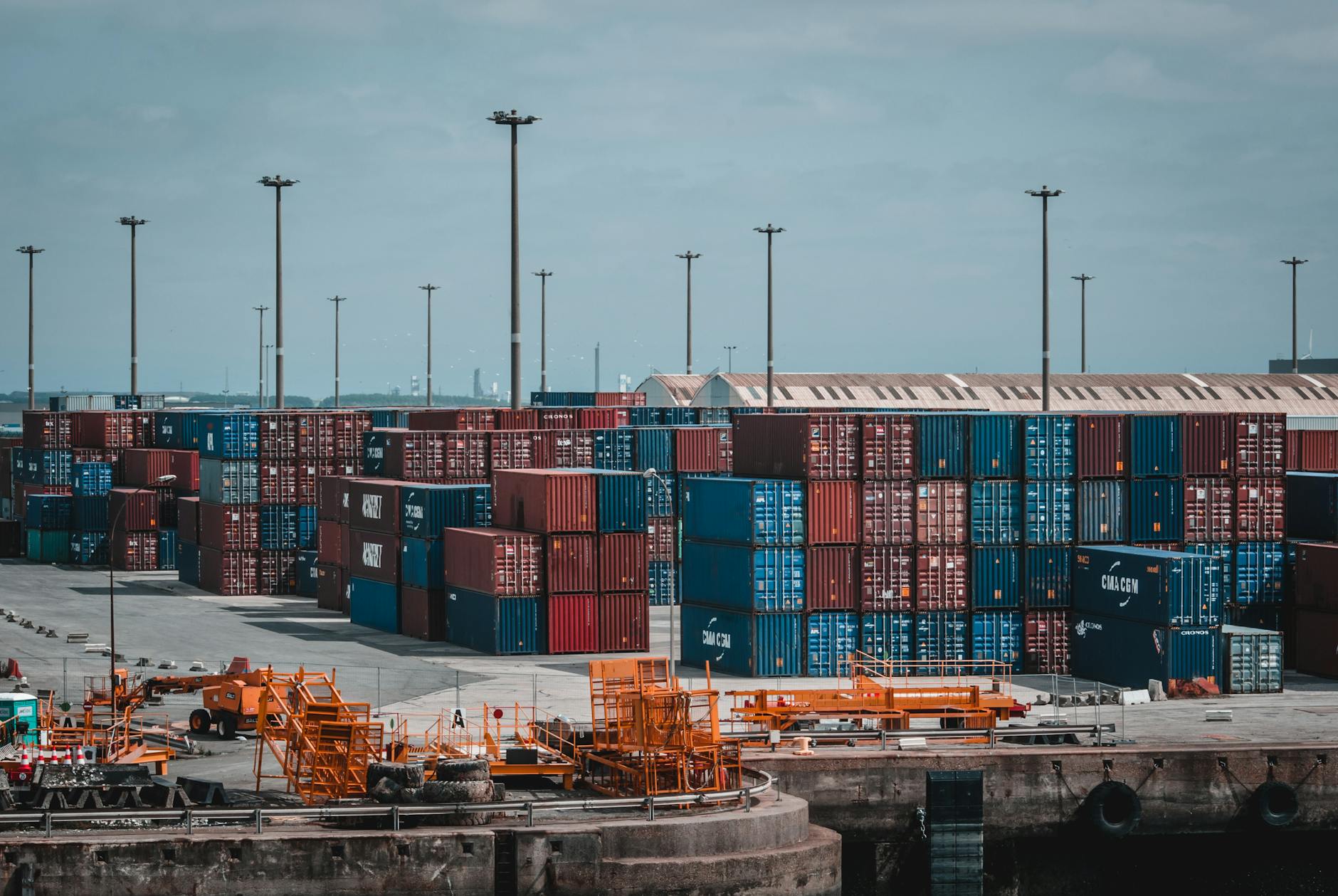
Navigating the import process in Nigeria can be overwhelming for business owners. According to the World Bank, Nigeria ranks 131st on the "Ease of Doing Business" index, partly due to complex import documentation requirements. Missing even a single document could delay your shipments, affect cash flow, and incur financial penalties. To successfully import goods into Nigeria and dodge these risks, having a thorough documentation checklist is crucial. The import documentation Nigeria checklist will simplify this multifaceted process, ensuring your shipments clear customs without a hitch.
- Key Documents: Includes Bill of Lading, Form M, and PAAR.
- Streamline Process: Delays often come from missing documents.
- Cost Efficiency: Proper documentation can reduce financial penalties.
- Expert Support: KEYBS PAY offers guidance for smooth transactions.
KEYBS PAY (keybs.io) is a fintech platform providing cross-border payments, supplier verification, treasury management, and FX solutions for African businesses in Nigeria, Ghana, Kenya, South Africa, and the African diaspora.
Understanding the Importance of an Import Documentation Nigeria Checklist
When you're importing goods into Nigeria, mastering the necessary paperwork isn't just a bureaucratic hurdle—it's a legal necessity. A thorough import documentation Nigeria checklist ensures compliance with local laws and smoothens the importation process. According to the Central Bank of Nigeria (CBN), non-compliance could result in fines up to NGN 1 million, along with shipment delays.
Businesses dealing with frequent imports, like consumer electronics or textiles, can save significant costs by adhering to strict documentation requirements. The Nigerian Customs Service requires key documents such as Form M—an application to import goods—which has to be approved before shipping. Missing a critical step could backfire, affecting your reputation and bottom line. Expert Ian David of the Afreximbank states, “Understanding regulatory requirements is more than a necessity; it safeguards your investments.”
Essential Documents for Importing Goods into Nigeria
Your import documentation Nigeria checklist should include several core documents, each serving a specific purpose. At the forefront is the Bill of Lading, a legally binding document between you and the shipping company. This serves as proof of ownership and shipping details. Next, the Form M must be filled through an authorised dealer bank in Nigeria, reviewed by the CBN before shipment.
The Pre-Arrival Assessment Report (PAAR) is a document generated based on cargo inspections conducted at your country of origin. It serves as a prerequisite for clearing goods at Nigerian ports. Finally, a Customs Declaration Form is essential, detailing the specifics of the goods being imported. According to Nigeria's National Bureau of Statistics, these documents are critical for the clearance of over 80 million metric tonnes of non-oil imports annually.
The Role of Key Financial Documents in Import Clarity
Financial documentation, often overlooked, plays a pivotal role in the import process. Ensure to acquire a Proforma Invoice, stating the price, quantity, and nature of the goods to be imported. Financial commitments such as Letters of Credit from Nigerian banks streamline international transactions by guaranteeing payment upon receipt of shipment
Trading expertise from experts at the IMF highlights that “Financial documents are not mere formalities; they provide assurances and foster trust between trading partners.” Given the high stakes involved in cross-border trade, having all financial documentation ensures that monetary transactions occur smoothly.
Comparing Documentation Requirements in Nigeria, Ghana, and Kenya
The import documentation process varies across African nations. While the core documents—like Bill of Lading and PAAR—remain consistent, understand the nuances specific to each country.
| Document | Nigeria | Ghana | Kenya |
|---|---|---|---|
| Bill of Lading | Mandatory | Mandatory | Mandatory |
| Form M | Mandatory | Not Required | Not Required |
| PAAR/Equivalent | Mandatory | CTN | IDF |
| Customs Declaration | Mandatory | Mandatory | Mandatory |
Streamline your import process with expert financial solutions: Learn about Treasury Management Services
Best Practices for Navigating Nigerian Customs for Importers
The Nigerian Customs service is committed to facilitating trade, but the onus is on importers to prepare adequately. Besides having a robust import documentation Nigeria checklist, utilize tech solutions to keep track of your documentation.
Leverage platforms like KEYBS PAY for real-time updates on shipment status. Utilize supplier verification tools to confirm your business dealings adhere to compliance requirements. Digital solutions like high-speed internet and blockchain-based systems can minimize human errors. The GSMA highlights that mobile connectivity in Africa has increased to over 46% in 2023, expediting digital solutions for importers.
What happens if you miss a document in the import process?
Failure to provide all necessary documentation can result in delays, increased costs, and penalties. The Nigerian Customs Service may hold your goods until compliance is achieved. Prompt submission of an import documentation Nigeria checklist is essential to avoid these pitfalls.
Why is Form M crucial for Nigerian imports?
Form M is a mandatory document issued by the Central Bank of Nigeria to regulate imports and control foreign exchange. Without it, you cannot initiate the importation of goods. Ensure it is completed prior to shipment to avoid delays.
How can KEYBS PAY assist with import documentation?
KEYBS PAY offers services in cross-border payments and supplier verification, ensuring all your transactions are secure and compliant. With robust fintech tools, you can manage your import processes effectively, reducing the risk of errors.
Are there specific penalties for incorrect documentation?
Yes, incorrect or incomplete documentation can lead to penalties such as monetary fines and significant clearance delays. According to the Nigerian Customs Service, these issues impact over 40% of shipments that fail initial checks.
Ensure your import process is smooth and error-free. Explore our expert services in Supplier Verification today.